



Recently, I listened to a podcast episode of Raj Shamani, where Vijay Mallya was the guest. Now, even before pressing play, most of us already carry an opinion about him. Some call him a visionary. Some call him reckless. Some call him both.
Who is Vijay Mallya?
Vijay Mallya was a successful Indian businessman known for bold branding and marketing innovation, especially through the Kingfisher empire. Over time, financial scrutiny, unpaid loans, and legal challenges shifted public perception dramatically, from industry icon to a name associated with debt, disputes, and exile. He is referred to as “King of Good Times”
Mallya’s rise: from inheriting an industrial-beverage group to expanding into aviation and sports.
His fall: major financial collapse, legal actions across borders, reputational damage.
The ongoing story: debt recovery, extradition efforts, unsettled legal status.

The Podcast (link at the bottom)
“This conversation isn’t about glorifying or demonizing, it’s about asking hard questions to the man at the center of one of India’s biggest business failures.” (said by Raj Shamani during the episode introduction)
But I wasn’t listening to agree or disagree.
I was listening to learn.
Sometimes the most uncomfortable stories offer the most valuable clarity, if we listen without rushing to judgment.
Here are the reflections that stayed with me, not about the person, but about the principles.
1. Know Your Numbers. Really Know Them.

At one point in the conversation, he said:
“I never borrowed a rupee personally… The company borrowed, and I was the guarantor.”
Regardless of context, this line reflects clarity. One thing that struck me immediately was how deeply Vijay understood his numbers. Not many business leaders can explain their capital structure with that level of precision.
For product and marketing leaders, the lesson is simple:
Don’t rely only on growth charts, forecasts, or pipelines
Understand liabilities, cost structures, financial commitments, and capital exposure
Know the mechanics behind the business, not just the outcome
In product and marketing roles, we obsess over:
Roadmaps
Funnels
Segmentation
Growth metrics
But very few of us pause to ask:
“What does this mean for cash, capital, and long-term resilience?”
A balance sheet isn’t accounting.
It’s awareness.
A balance sheet isn’t just a financial document. It’s a map of decisions.
2. Control the Controllable and Stay Calm Through the Rest
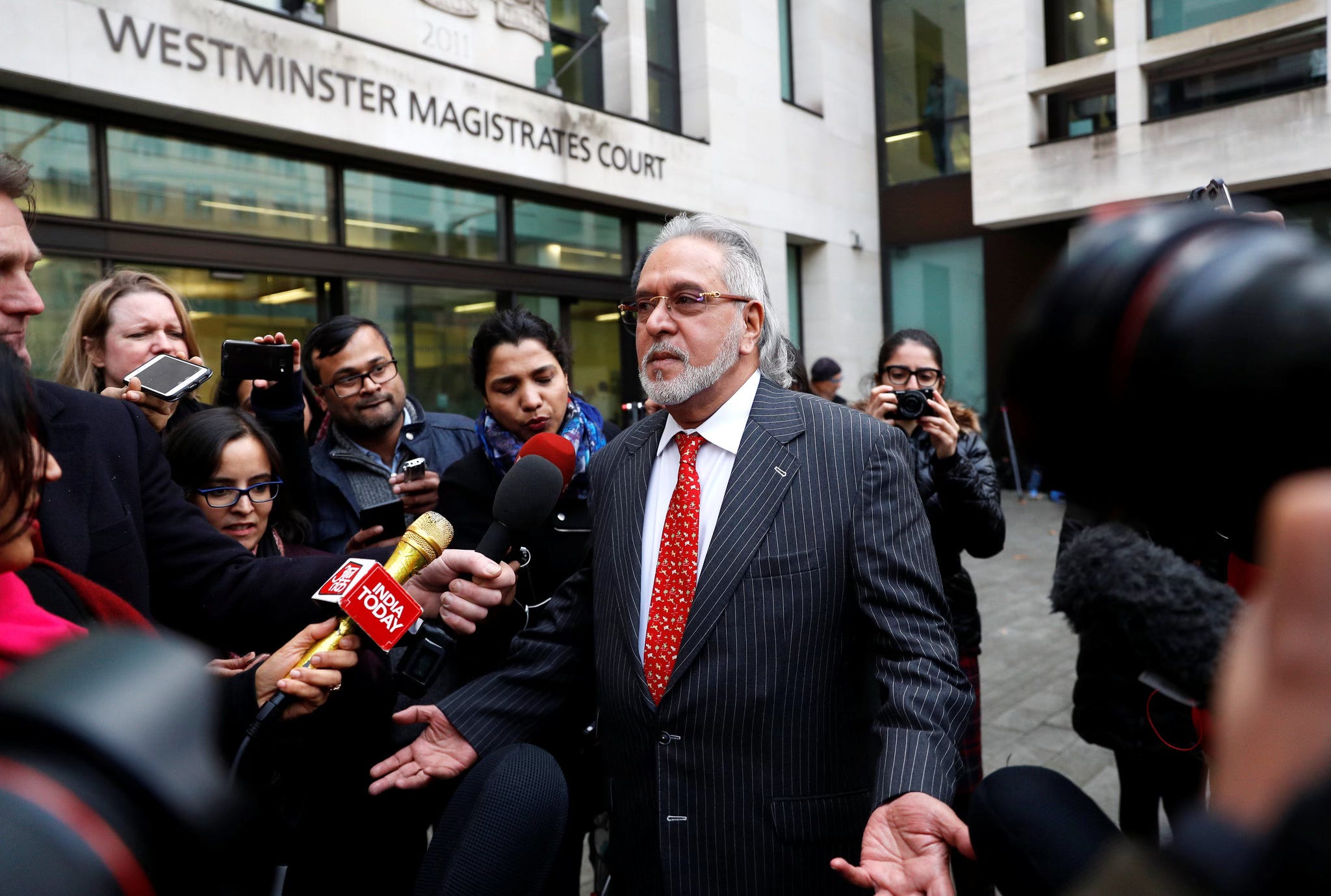
Another line that stood out was:
“You may call me a fugitive… fine. But where is the theft?”
“You can’t control everything. But you must act on what you can control and accept what you didn’t.”
Regardless of whether one agrees with him or not, this is a masterclass in controlling the narrative you can control and not drowning in the one you cannot. Again, not debating accuracy.
What struck me was the separation between external noise and internal composure. Whether one agrees or not, the way he separated external perception from internal belief stood out.
Leadership isn’t the absence of crisis.
It’s how you hold yourself within one.
In leadership, especially when managing products, failures, market shifts, or public launches, we often face criticism, pressure, and opinions.
The learning here?
Focus on actions within your control
Avoid letting external noise paralyze strategic thinking
Lead with composure, especially when circumstances aren’t favorable
As leaders, we can’t control public perception, market conditions, or unexpected crises but we can control our composure and response. A leader’s emotional stability becomes the environment others operate in.
Teams don’t follow panic. They follow grounded confidence.
3. Growth Is Exciting. But Not at the Cost of the Core.
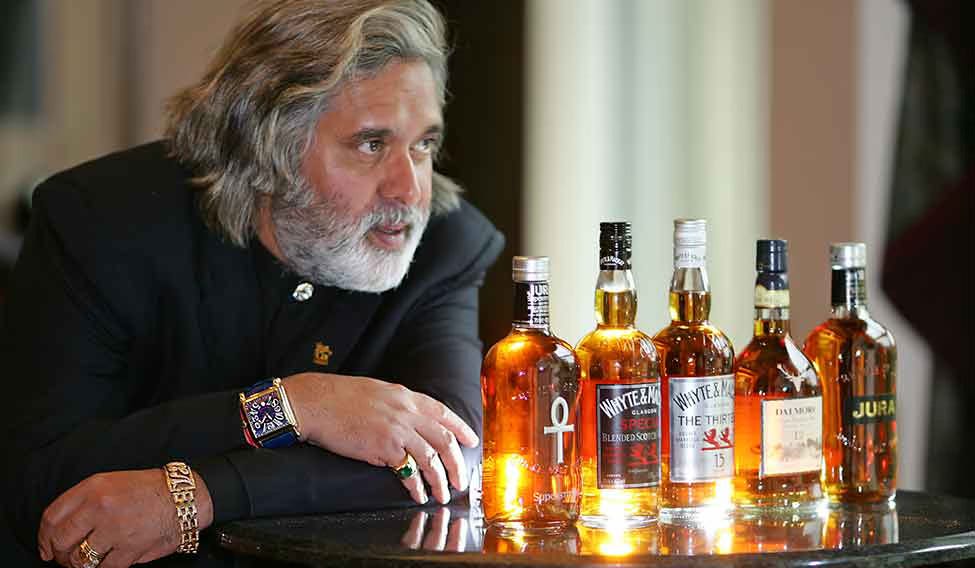
Innovation, diversification, category entry, these sound glamorous. This wasn’t said explicitly, but it was felt.
Listening to the story, one message became clear:
Expansion is not a replacement for stability. No business should expand at the expense of the very thing feeding it.
“I put in my money, blood, sweat and tears, it didn’t work. I’m very sorry.”
This subtle regret points to the cost of stretching a business, perhaps too fast, too wide. Kingfisher entered airlines, F1, water, sports, merchandising, creative, bold moves but the core business eventually bore the weight of the new bets, costing the united breweries and its holdings.

Expansion is exciting.
Adjacent markets look attractive.
But the core business must never become the collateral of ambition.
As product and business leaders, we often chase:
New features
New markets
New customer segments
New investments
And in the excitement, the core, the very engine that funds innovation gets diluted.
The lesson?
Grow responsibly
Build adjacencies, don’t abandon the core
Innovation should strengthen the core, not suffocate it
Growth is not about more. Growth is about sustainable more.
4. Resilience Is a Leader’s Silent Skill
My favourite line wasn’t defensive, it was reflective:
“When I look at myself in the mirror every morning, am I a success or a failure? Many will say failure. But I don’t see failure.”
Not for the defiance, but for the resilience.
Listening to someone discussing debts worth thousands of crores puts my own life into perspective. Mortgages, Education loans, commitments, they feel heavy. But leadership pressure operates on a different currency:
Public scrutiny
Legal battles
Reputation
People depending on decisions you make
Yet in the conversation, Vijay remained controlled. Calm even.
Whether you agree with him or not, there’s a leadership lesson there:
Confidence is not arrogance, it’s the stability others rely on when the ship is shaking.
Teams don’t follow panic. They follow composure.
Leadership isn’t tested when things go well.
It’s tested when:
plans collapse,
markets shift,
teams panic,
and narratives turn negative.
As leaders, we don’t just manage strategy, we manage emotion. Calm is contagious. So is fear. Leadership can feel heavy.
We carry:
career pressure
financial commitments
personal expectations
family responsibility
people we lead
decisions that affect others
And sometimes it feels like too much.
Listening to someone discuss pressures in the scale of thousands of crores puts life into proportions, not for comparison, but for perspective.
Resilience is not denial. It is continuation.
5. Build a Brand That Lives Longer Than the Product

There wasn’t one single sentence summarizing his philosophy, but the tone of the conversation reflected the message he lived:
Kingfisher wasn’t selling beer, it was selling a lifestyle.
(You may phrase this as a narrative-driven takeaway rather than a direct quote.)
Why it fits:
His brand extensions, F1 team, Kingfisher calendar, cricket sponsorships show how he turned a commodity into aspiration.
In marketing terms, Kingfisher was not a beverage.
It was identity, experience, and cultural imprinting.
That is a lesson every product leader understands but few execute at that scale.
Agree or disagree with the outcome but the brand strategy was bold. Whether one appreciates or critiques the execution, the outcome is undeniable:
The brand outlived the business. Even today, long after its decline, people remember the emotion, not just the product.
For marketers, this is a reminder:
Products solve functional needs
Brands anchor emotional meaning.
And the strongest businesses build both.
Lesson:
Products solve problems.
Brands shape identity.
Great companies do both.
In a world where features can be copied and technology becomes obsolete, the brand is often the only asset that compounds.
6. Accountability Isn’t About Timing, It’s About Ownership
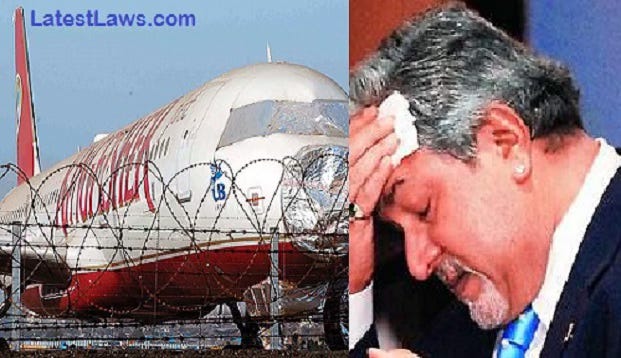
There was one moment in the podcast where the words were simple, almost understated:
“I apologise to everyone for the failure of Kingfisher Airlines.”
No justification. No explanation.
Just acknowledgment.
Whether one accepts it, questions it, or sees it as too late, that isn’t the point here.
The lesson is this:
Leadership isn’t just about vision, ambition, or confidence.
Leadership is also about owning the outcome, especially when things go wrong.
In business, we’re often quick to celebrate wins, but slow to accept responsibility when results fall short.
Accountability doesn’t erase mistakes.
It doesn’t undo consequences.
It doesn’t rewrite public perception.
But it does something meaningful:
It signals maturity
It invites reflection rather than defensiveness.
And it sets the tone for rebuilding, even if the rebuilding never happens.
Leaders don’t just carry authority.
They carry responsibility with or without applause.
Closing Reflections
This podcast reminded me of something important:
We don’t learn only from success stories, it doesn’t always come from people we admire, Sometimes the most meaningful lessons come from stories that make us pause, question, or think differently.
We also learn from mistakes, missteps, ambition, consequences, pressure, and reflection.
Not every story is meant to be admired.
But every story can teach us something, if we’re willing to listen with curiosity instead of judgment.
Because leadership is never black or white.
It lives in the grey, in choices, trade-offs, timing, risk, clarity, and resilience.
And sometimes, the most unexpected conversations teach the most meaningful lessons.
And the real value isn’t just in what happened,
it’s in what we choose to learn from it.
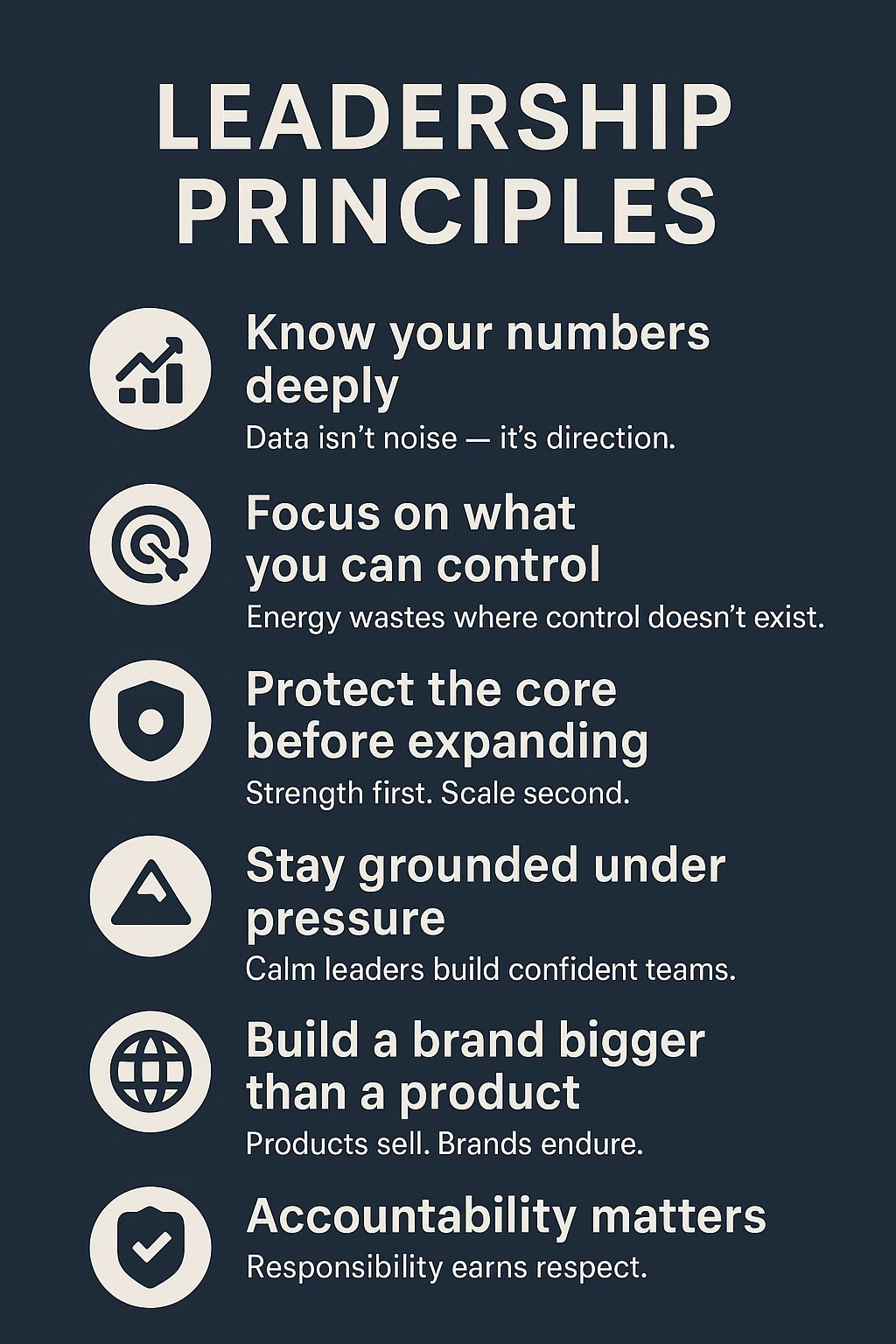
But regardless of the opinions around him, there are lessons worth extracting:
Know your numbers deeply
Focus on what you can control
Protect the core before expanding
Stay grounded under pressure
Build a brand bigger than a product
Accountability matters
Some stories teach us what to follow.
Some stories teach us what to avoid.
And some, like this one, teach us both.
Link to the podcast:
All image are copyright by the owners of the image, downloaded from internet. Please contact to remove the photos. thanks for support.